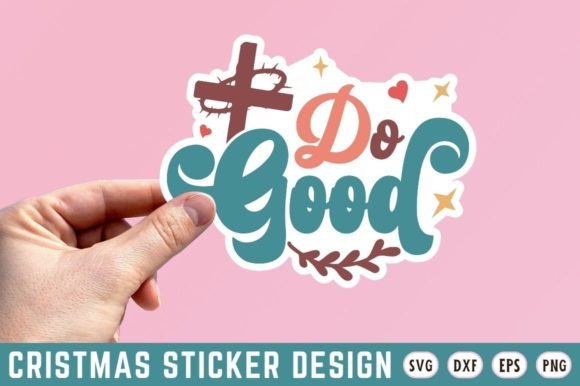
Do Good SVG Design: A Designer's Real-World Embroidery Review
As someone who has spent years turning digital files into tangible, stitched treasures, I approach every new embroidery file with a mix of excitement and skepticism. The market is flooded with generic shapes and overused fonts, so finding something that actually elevates a finished product requires a keen eye. Today, I am evaluating the Do Good SVG Design, a piece categorized under Crafts and Graphics. My goal here isn't just to describe what it looks like on a screen, but to walk you through exactly how this design behaves when it moves from your computer to your embroidery machine needle.
First Impressions: Mood and Visual Personality
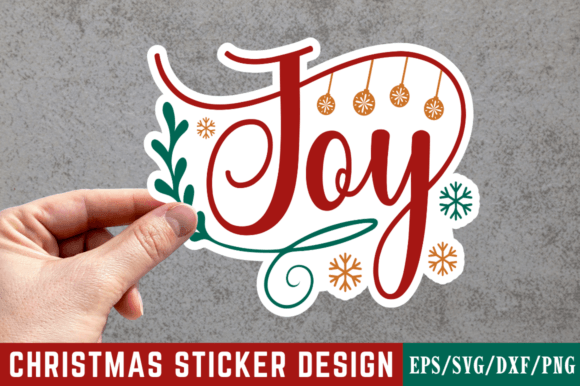
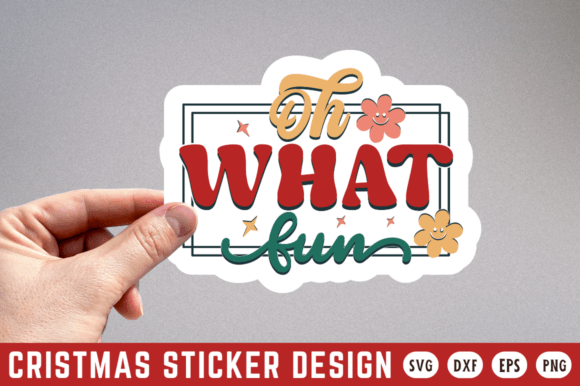
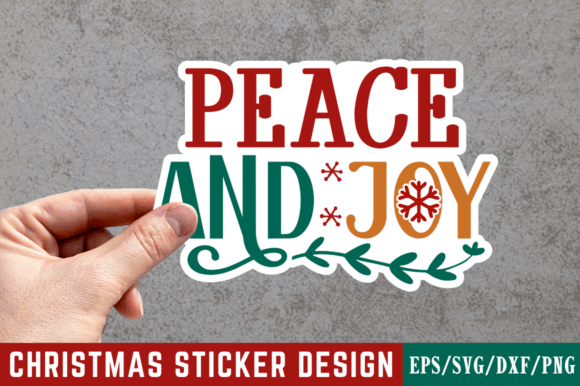
The moment you open the file for the Do Good SVG Design, the vibe is immediately clear. It carries a warm, encouraging energy that feels perfect for the holiday season or any project meant to spread positivity. Unlike many designs that rely on complex shading or intricate details that often get lost in stitching, this design leans into bold shapes and clear messaging. It feels like a sticker come to life, which gives it a modern, playful personality that stands out against both solid colors and patterned fabrics.
The layout is balanced, suggesting that the designer understood the constraints of thread density. There is a sense of intentionality in the spacing that makes me confident it will translate well into a physical object. Whether you are looking to create a custom gift or expand your inventory for an Etsy shop, the visual appeal of Do Good SVG Design suggests it will resonate with customers who appreciate handmade authenticity mixed with contemporary style.
Real-World Application: From Screen to Stitch
Let's talk about a specific scenario. Imagine you are preparing for a holiday craft fair and need a batch of personalized tote bags for a local boutique client. You decide to use the Do Good SVG Design as the centerpiece. Because this design mimics a sticker aesthetic, it works exceptionally well on canvas tote bags where the texture of the fabric can complement the graphic nature of the artwork. When I simulate the stitch path in my head, I see the satin stitch outlining the main elements creating a clean border, while the interior might utilize a fill stitch to give it substance without adding excessive weight.
This same design would shine brightly on a baby sweatshirt. Parents love soft, meaningful messages on their children's clothing. The Do Good SVG Design offers a gentle reminder that fits perfectly on the chest area of a onesie or the back of a toddler hoodie. The simplicity of the design ensures that even if the fabric is slightly stretchy, the embroidery won't pucker excessively, provided the correct stabilizer is used. For small business owners selling custom apparel, this design adds immediate value because it feels curated rather than mass-produced.
I also envision this design being adapted into an embroidered patch. If you are a maker who creates accessories, converting this graphics asset into a patch could be a lucrative addition to your line. The distinct shape allows for easy application on denim jackets, caps, or aprons, making it a versatile tool for the creative entrepreneur.
Navigating Challenges: Where Caution is Key
While the Do Good SVG Design is promising, no design is without its pitfalls. As an experienced reviewer, I must point out where this file might struggle if not handled correctly. One area to watch closely is the scale. If you attempt to embroider this design on a very small hoop size, such as those used for cufflinks or tiny baby booties, some of the finer lines might merge together, losing the "sticker" definition.
Fabric choice is another critical factor. While it performs beautifully on stable materials like cotton twill or felt, you should exercise caution with highly textured fabrics like bouclé or loose weaves. The thread tension required to lay down the stitches might cause the design to distort or look uneven. Similarly, if you are working with dark fabric, ensure you have enough contrast in your thread colors. A light-colored outline on a black background might disappear unless you select a high-contrast neon or white thread specifically.
Another potential hurdle is the curvature of the surface. If you plan to place this on a baseball cap, the curved crown can sometimes flatten the design, making the text or shapes appear compressed. In these cases, testing on scrap material first is non-negotiable. Also, avoid using this on items that require frequent, aggressive washing, such as heavy-duty work aprons, unless you reinforce the backing properly. Over time, dense stitch areas can wear down if the fabric isn't supported by a sturdy cut-away stabilizer.
Impact on Product Value and Brand Trust
In the world of Etsy sellers and handmade shops, the quality of your embroidery speaks volumes about your brand. A sloppy stitch job can ruin a great concept, but a well-executed design builds customer trust. The Do Good SVG Design has the potential to elevate your product presentation significantly. Its clean lines and positive message make it highly "giftable," which is a crucial psychological trigger for buyers during the holidays.
When a customer sees a professionally stitched tote bag design or a crisp sweatshirt embroidery featuring this motif, they perceive higher value. They understand that care was taken in the creation process. This perception allows you to price your small shop products at a premium that reflects the effort and skill involved. Furthermore, the design's versatility means you can maintain brand consistency across different items—pillow covers, kitchen towels, and nursery decor all tell the same story of kindness and creativity.
Practical Designer Notes for Success
Before you commit to a full production run, there are several technical steps you must take to ensure the finished product meets your standards. First, always test the design on a scrap piece of the exact fabric you intend to use. This helps you identify any issues with stitch density or puckering before you ruin a customer's item.
Check your hoop size carefully. Ensure the design dimensions fit comfortably within your machine's maximum hoop area, leaving room for maneuvering. If the design includes tiny lettering or detailed corners, inspect them closely under a magnifier after stitching. Sometimes, what looks fine on a monitor appears jagged once the thread is laid down. If necessary, simplify the design or adjust the stitch angle to improve clarity.
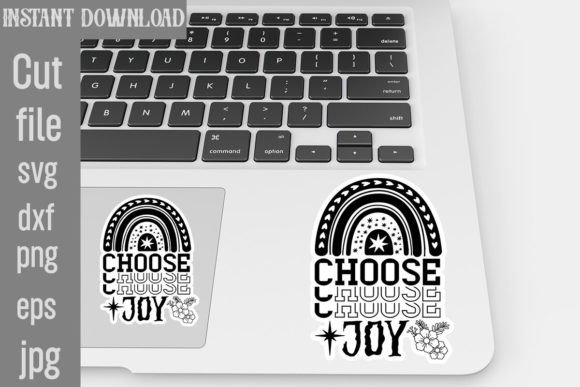
Don't forget to review the licensing terms. If you are planning to sell finished items made with the Do Good SVG Design, confirm that your purchase includes commercial rights. Many digital embroidery files restrict resale, so reading the fine print protects your business from legal trouble. Additionally, compare the design in black and white mockups to ensure the composition holds up without relying solely on color. This step reveals structural weaknesses that color might hide.
Finally, consider the thread colors you will use. Experiment with metallic threads for accents or matte cotton for a classic look. The right thread choice can transform the embroidery project from a simple decoration into a luxury item. By following these practical guidelines, you can confidently integrate the Do Good SVG Design into your workflow, creating beautiful, functional, and profitable items for yourself and your clients.