I Have No Idea What I m Doing SVG Cut Fi Review
When I first opened the download for I Have No Idea What I m Doing SVG Cut Fi, my immediate reaction was a mix of amusement and professional curiosity. As someone who has spent years refining machine embroidery designs for boutique shops and custom orders, I know that humor is a powerful tool in handmade goods, but execution is everything. This digital product sits squarely in the Crafts and Graphics categories, offering a versatile file set that promises to bridge the gap between digital cutting and textile art. But does it hold up when pushed through an embroidery hoop and under a needle? Let's dive into how this design performs in the real world.
The First Impression: Mood and Visual Personality
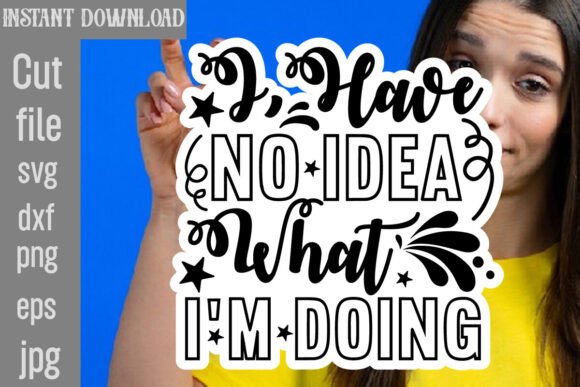
The title alone sets a relatable tone that resonates with almost anyone who has ever started a new creative project or taken on a client job they weren't entirely sure about. The visual layout of I Have No Idea What I m Doing SVG Cut Fi appears clean and straightforward, which is exactly what you want for a text-based embroidery design. In the world of machine embroidery design, text can often be a nightmare if the letter spacing is off or the font weight is too thin. However, from the initial vector preview, this design feels confident enough to stand on its own without needing excessive decorative flourishes.
The mood is self-deprecating yet charming. It creates an instant connection with the wearer, making it perfect for casual wear or home decor items where authenticity matters more than perfection. Whether you are designing for a stressed startup founder or a hobbyist mom, this piece captures a specific emotional beat that feels genuine rather than manufactured. It suggests a finished product that invites conversation rather than one that demands attention through flashiness.
Real-World Application: From Screen to Stitch
To truly evaluate I Have No Idea What I m Doing SVG Cut Fi, I put myself in the shoes of a small business owner preparing a batch of custom apparel. Imagine you are an Etsy seller creating a line of aprons for a local kitchenware brand. You decide to add this phrase to a canvas apron for your chef clients. The design fits naturally here because chefs often joke about their chaotic kitchens. When digitized correctly, the text would likely use a combination of satin stitch for the outline to give it structure and fill stitch for the body of the letters to ensure durability.
However, the versatility extends far beyond aprons. Consider a baby onesie for a nursery gift. Parents love humor, and seeing "I Have No Idea What I m Doing" stitched onto a tiny outfit is incredibly endearing. In this scenario, the design acts as a personalized gift that validates the feelings of new parents. Similarly, for a sweatshirt embroidery project aimed at college students or remote workers, the message hits home during exam season or long work-from-home days. The design transforms a simple garment into a statement piece that customers will actually want to wear, increasing the perceived value of your handmade product.
I also envision this working well as a patch for denim jackets or tote bags. A tote bag design featuring this text could become a bestseller at craft fairs, serving as both a functional item and a humorous accessory. The inclusion of a PNG file with a transparent background at 300 Dpi allows me to create high-quality mockups for my online listings before I even cut the fabric. This visual asset helps potential buyers see exactly how the finished product will look, reducing returns and building trust.
Navigating Technical Challenges
While the concept is strong, every embroidery designer knows that the devil is in the details. There are specific situations where I Have No Idea What I m Doing SVG Cut Fi requires careful handling. If you plan to use this on a curved surface like a cap or hat, the text might distort if not properly balanced. The curvature of the cap can stretch the letters, making them look uneven unless you adjust the digitization settings specifically for that garment shape.
Another critical consideration is the hoop size. If you attempt to stitch this on a very small hoop, such as those used for jewelry or tiny patches, the lettering might become too crowded. Tight letter spacing can lead to thread breaks or a messy appearance where the stitch density becomes too high. Conversely, on large garments like blankets or throw pillows, the text needs to be scaled appropriately so it doesn't get lost in the fabric texture. For textured fabrics like heavy wool or boucle, a design with fine details might get swallowed by the material, so testing on scrap fabric is non-negotiable.
Dark fabrics present another challenge. If the base color is black or navy, you must ensure there is sufficient contrast between the thread colors and the fabric. Without proper underlay or contrasting thread choices, the design could fade into the background, ruining the visual impact. Additionally, for products that need frequent washing, such as kitchen towels or baby clothes, the stability of the stitches is paramount. You must verify that the stabilizer used matches the fabric weight to prevent puckering, which can ruin the crispness of the text.
Practical Notes for Designers and Sellers
Before committing to a full production run, I strongly advise testing the design on scrap fabric first. This step reveals how the digital embroidery file interacts with different materials and helps you tweak the tension and density settings. Check the thread color contrast thoroughly; sometimes a design looks great on screen but fails in person due to low contrast. Review the stitch density to ensure it isn't too dense for the fabric type, which could cause the material to bunch up.
If you are selling this as part of your craft business, confirm the licensing terms immediately. While the download includes an EPS file and a DXF file for Silhouette users, you need to know if you are allowed to sell finished items made from this design commercially. Some licenses restrict the number of units you can produce, while others may require attribution. Always inspect small details in the vector files to ensure no corners are jagged or lines are broken before converting them to embroidery formats.
For those creating printable mockups for their shop, use the provided PNG to showcase the design on various backgrounds. Compare light and dark fabric backgrounds to demonstrate versatility to your customers. This transparency builds credibility and shows that you understand the nuances of commercial embroidery. Finally, remember that while the file set includes formats for Cricut and Silhouette, using these files for actual embroidery requires converting them into a format compatible with your specific machine. Ensure you have the necessary software to translate the SVG or DXF into a .PES, .DST, or other proprietary format your machine reads.
Final Verdict on Value and Appeal
I Have No Idea What I m Doing SVG Cut Fi offers a solid foundation for a variety of projects, from holiday embroidery gifts to boutique branding merchandise. Its strength lies in its relatability and simplicity, allowing it to fit seamlessly into collections focused on modern, honest aesthetics. When executed with care regarding stabilizers, thread choices, and hoop sizes, this design can elevate a standard item into a memorable keepsake.
For Etsy sellers and small shop owners, this asset provides a reliable way to generate engaging content and unique products without reinventing the wheel. It serves as a reminder that sometimes the most successful designs are the ones that admit imperfection. By approaching this file with practical judgment and technical diligence, you can turn a simple phrase into a profitable, beloved addition to your portfolio of design assets.