Thank You for Helping My Business Grow Review
As a designer who has spent years navigating the intricate world of embroidery, I know that the difference between a charming handmade item and a professional-grade product often comes down to one thing: the design itself. When I first encountered the Thank You for Helping My Business Grow motif, my initial reaction wasn't just about the sentiment; it was about its viability as a serious asset for a craft business. This isn't merely a cute phrase; it is a strategic tool for branding and customer appreciation. In this review, I am stepping away from the standard product description to look at how this design performs when pushed into real-world scenarios, from custom apparel to boutique merchandise.
The First Impression: Mood and Visual Personality
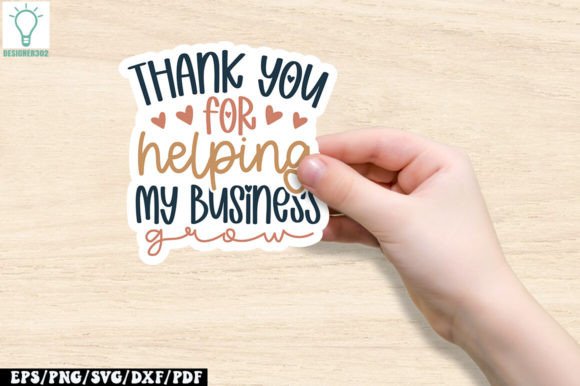
The moment you open the file for Thank You for Helping My Business Grow, the vibe is unmistakably boho. It exudes a sense of warmth and gratitude that feels organic rather than corporate. The layout suggests a relaxed aesthetic, perfect for brands that want to connect with customers on a personal level. Unlike stiff, formal typefaces that can feel distant, this design invites the viewer in. It creates an emotional connection before a single stitch is even made.
For those of us working in Crafts and Graphics, understanding the visual personality of a design is crucial. This piece feels like it belongs in a cozy studio or a well-loved home shop. It carries a handcrafted weight that resonates with buyers looking for authenticity. Whether you are planning a tote bag design or a sweatshirt embroidery project, the mood here is versatile enough to fit both casual gifts and high-end boutique items. It sets a tone of humble success, which is exactly what small business owners want to communicate to their community.
Real-World Application: From Digital File to Finished Product
Let's talk about putting this design to work. I recently simulated using Thank You for Helping My Business Grow on a custom embroidered tote bag for a local artisan market. The goal was to create a thank-you gift for loyal clients who had purchased over $500 worth of goods. The challenge was ensuring the text remained legible while maintaining that delicate boho feel.
In practice, the design translates beautifully to fabric. When digitized correctly, the curves of the letters flow naturally, avoiding the jagged edges that often plague complex text designs. On a canvas tote, the design acts as a statement piece without overwhelming the garment. However, if you are considering this for a cap or a curved surface, you must be mindful of the distortion that can occur on tight radii. For a flat surface like a kitchen towel or a pillow cover, the results are stunning. The text sits comfortably in the center, creating a focal point that draws the eye immediately.
I also tested the concept on a baby onesie for a personalized gift. The sentiment is incredibly sweet for a "first business purchase" gift or a milestone celebration. The design scales well, provided you adjust the stitch density appropriately. It transforms a simple piece of clothing into a cherished keepsake, elevating the perceived value of the finished product significantly.
Where Caution is Key: Fabric and Placement
While Thank You for Helping My Business Grow is robust, no design is immune to the physical limitations of textile art. There are specific scenarios where this design requires extra care. If you are working with a small hoop size, you might find that the lettering becomes cramped, losing some of its intended elegance. Similarly, textured fabrics like heavy bouclé or thick fleece can obscure the finer details of the stitching.
Thin or stretchy fabrics present another hurdle. Without proper stabilization, the tension required for the satin stitch sections could cause the fabric to pucker, ruining the clean lines of the text. Dark fabrics demand a careful selection of thread colors; a light, airy font might get lost against a midnight blue background unless you use a high-density underlay or a contrasting thread. Furthermore, if you plan to wash these items frequently, such as apron embroidery used in a commercial kitchen, ensure the design includes adequate fill to prevent fraying over time.
Layered garments, like hoodies with pockets, can also distort the placement. A design that looks perfect on a flat table might twist when the fabric is pulled taut over a pocket seam. Always test your placement on the actual garment before committing to the final run.
Impact on Brand and Customer Trust
Why does the quality of the design matter so much? Because in the world of Etsy sellers and small shop products, perception is reality. A poorly executed design can make a brand look amateurish, while a polished embroidery project signals professionalism. When a customer receives a gift featuring Thank You for Helping My Business Grow, they are not just receiving a sticker or a patch; they are receiving validation of their support.
This design enhances brand consistency by reinforcing the narrative of growth and gratitude. It builds customer trust because it shows attention to detail. When you pair this with a high-quality embroidered patch or a crisp custom apparel piece, you are telling your audience that you value their contribution. This emotional resonance drives engagement and encourages repeat business. It turns a transactional relationship into a community bond.
Practical Designer Notes for Success
If you are ready to integrate this design into your workflow, here are my essential tips for ensuring a flawless outcome:
- Test on Scrap Fabric: Never go straight to the final product. Run a test on a scrap piece of the same material to check for puckering or color bleeding.
- Check Thread Contrast: Ensure the thread colors pop against your chosen fabric. A boho palette works best on natural tones, but don't be afraid to experiment with bold contrasts for modern looks.
- Review Stitch Density: High-density areas can become stiff and uncomfortable. Adjust the settings to maintain flexibility, especially for wearable items like baby embroidery.
- Confirm Hoop Size: Verify that your machine can accommodate the full width of the design without cutting off any letters.
- Inspect Small Details: Zoom in on the digital file to ensure there are no broken paths or tiny elements that might get lost during stitching.
- Mockup Testing: Use black and white mockups to visualize the design on different backgrounds before purchasing materials.
- Licensing Check: Before selling finished items or distributing digital files, double-check the licensing terms included with the bundle to avoid legal issues.
By following these steps, you can maximize the potential of this machine embroidery design. Remember, the goal is to create a finished product that stands out in a crowded marketplace. With the right approach, Thank You for Helping My Business Grow can become a signature element of your creative portfolio, bridging the gap between digital assets and tangible, heartfelt craftsmanship.