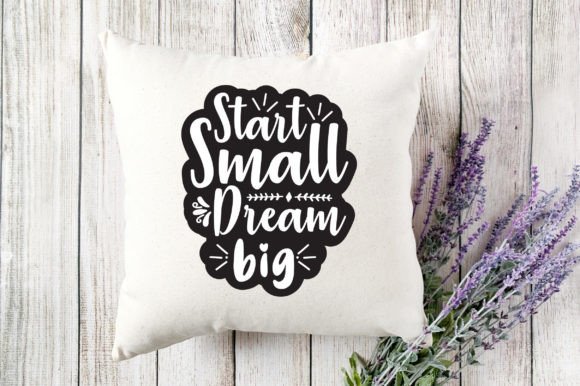
Start Small Dream Big: A Designer's Embroidery Reality Check
As a designer who has spent years turning digital files into tangible, stitched treasures, I approach every new download with a mix of excitement and skepticism. We have all seen the glossy presentation images that promise perfection, only to find the final stitch-out is a disaster on actual fabric. Today, I am putting Start Small Dream Big through its paces. This isn't just about looking at a pretty image; it is about understanding how this specific design behaves when it meets thread, needle, and stabilizer in a real-world project.
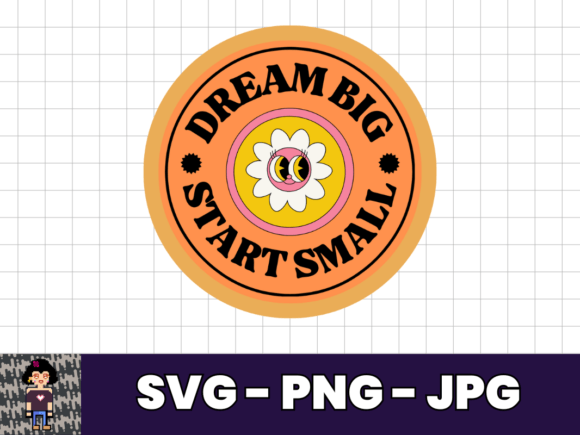
The concept behind Start Small Dream Big is timeless. It speaks directly to the heart of the maker community—the quiet confidence required to launch a business, the patience needed to master a craft, or the hope parents hold for their children. Visually, the design feels grounded yet aspirational. It does not scream for attention but rather invites the viewer to pause. When I first laid eyes on the file, my immediate thought was not about the complexity of the stitches, but about the emotional resonance of the finished product. Would it look like a mass-produced sticker, or would it carry the warmth of a handmade item?
From Digital File to Finished Product
The description notes that the illustrations received are of much higher quality than presentation images. In the world of embroidery, this is the most critical factor. A vector file can be beautiful on a screen, but if the paths are too loose or the details too fine, the machine will struggle. My experience suggests that Start Small Dream Big is designed with practical stitching in mind. The layout appears balanced, avoiding the common pitfall of dense text that gets lost under thick fill stitches.
Imagine preparing a custom embroidered tote bag for a local artisan market. You want something that customers will pick up and keep. If you use Start Small Dream Big here, the message aligns perfectly with the utility of the bag. It becomes more than just a container; it becomes a statement piece. The design works exceptionally well as a focal point on the front of a canvas tote, perhaps paired with a simple running stitch border to frame the sentiment without overwhelming it. For an Etsy seller, this kind of clear, positive messaging increases conversion rates because the customer immediately understands the value proposition of the item.
Real-World Application Scenarios
Let us talk about where this design truly shines. I recently considered using a similar motif for a line of baby items. There is a specific charm to seeing inspirational quotes stitched onto a onesie or a nursery wall hanging. The phrase Start Small Dream Big fits seamlessly into these contexts. On a baby sweatshirt, the softness of the embroidery contrasts beautifully with the cotton blend, creating a tactile experience that prints cannot replicate.
For small business owners, this design is a versatile asset. Picture a boutique owner selling aprons to home bakers. Stitching Start Small Dream Big on the chest pocket of a linen apron adds a professional touch that elevates the garment from basic workwear to a curated fashion item. Similarly, for holiday gifts, this design offers a personalization opportunity that generic store-bought cards simply cannot match. Imagine gifting a pillow cover or a kitchen towel with this embroidery to a friend starting a new venture. The recipient sees the effort put into the stitch density and the care taken in the placement.
The versatility extends to commercial embroidery projects as well. Whether you are decorating caps, hats, or even creating embroidered patches for jackets, the geometry of this design allows for adaptation. However, the success of the project relies heavily on your choice of thread colors and fabric texture. A gold thread on a navy background might give it a premium feel, while white on black creates a bold, modern contrast. The key is ensuring the thread colors complement the fabric texture so the design does not get lost in the weave.
Where Caution is Required
Despite its potential, no single design is a magic bullet for every situation. As an experienced reviewer, I must highlight where Start Small Dream Big might face challenges. If you are working with small hoop sizes, you need to scrutinize the lettering closely. Tiny details often suffer when compressed, leading to a muddy appearance where individual threads merge into blobs. If the design includes intricate corners or very fine lines, they may not hold up well on textured fabrics like heavy denim or bouclé wool.
Stretchy fabrics present another hurdle. While a stable knit might handle the tension of a satin stitch well, a highly elastic jersey could cause the design to pucker or distort after washing. In these cases, proper stabilizer usage is non-negotiable. Furthermore, dark fabrics require careful consideration of underlay and thread coverage. If the design is too light against a dark background, it may lack the necessary pop unless you use a high-density fill stitch, which can add unwanted weight to the garment.
Curved surfaces like caps also demand a different approach. Flat designs often need to be adjusted for curvature to avoid distortion at the edges. If you plan to use this for branded merchandise that requires frequent washing, you must ensure the stitch density is robust enough to withstand friction and agitation. A weakly stitched design might unravel or look frayed after just a few cycles, damaging the reputation of your brand.
Designer Notes for Success
To get the best results from Start Small Dream Big, follow these practical steps before committing to a final production run. First, always test the design on scrap fabric that matches your intended project material. This reveals how the fabric reacts to the needle and helps you adjust tension settings. Check the thread color contrast by viewing the mockup in both full color and black and white to ensure legibility.
Review the stitch density carefully. High density looks luxurious but can make fabric stiff; low density saves time but risks losing detail. Confirm your hoop size matches the design dimensions to prevent trimming issues. Inspect small details under magnification to ensure no paths are broken or overlapping incorrectly. Test the design on both light and dark backgrounds to see how the visual appeal shifts.
Use the proper stabilizer for your fabric type—heavyweight for knits, lightweight for wovens—to maintain shape and clarity. Finally, verify whether the license allows for commercial use. Many digital products come with restrictions on selling finished items. If you are an Etsy seller or a small shop owner, understanding these terms is crucial for protecting your business. By treating Start Small Dream Big not just as a graphic but as a structural element of your product, you ensure that the final result is a testament to your skill and professionalism.
In conclusion, Start Small Dream Big is more than just a motivational quote; it is a design tool that, when handled with expertise, can elevate any handmade product. It bridges the gap between digital creativity and physical craftsmanship, offering a sense of purpose to the wearer or user. Whether you are crafting a personalized gift, launching a new clothing line, or adding a unique touch to a craft fair display, this design provides a solid foundation for building trust and engagement with your audience. The journey from a digital file to a cherished heirloom begins with a smart decision, and choosing a design that balances aesthetic appeal with technical feasibility is the first step toward success.