Welcome SVG Design: A Designer's Real-World Review
As a designer who has spent years turning digital files into tangible, stitched masterpieces, I approach every new download with a mix of excitement and skepticism. There is nothing worse than spending hours setting up a machine only to find the design falls apart on the fabric or looks cheap in person. Recently, I came across the Welcome SVG Design, categorized under Crafts and Graphics, and decided to put it through its paces before recommending it for any real project. My goal was not just to look at the image, but to visualize how it would behave during the stitching process, how it would age after washing, and whether it could stand up as a professional asset for a small business or a heartfelt handmade gift.
First Impressions and Visual Personality
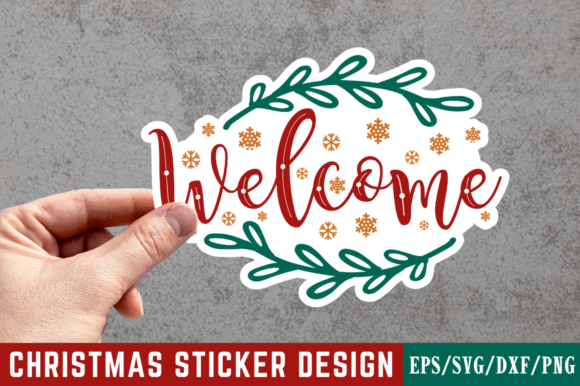
The moment you open the file, the Welcome SVG Design projects a warm, inviting atmosphere. It feels less like a generic clip art piece and more like a thoughtful gesture intended to make someone feel appreciated. The layout is clean, which is crucial for embroidery because cluttered designs often lose their definition when converted from vector paths to stitches. The visual personality suggests a space that is welcoming, perhaps a home entryway, a cozy coffee nook, or a nursery where family gathers. For those looking to create a personalized gift, this design hits the right emotional note immediately. It isn't trying too hard to be trendy; instead, it relies on classic typography and a balanced composition that promises to look good on everything from a linen tea towel to a heavy cotton sweatshirt.
From Screen to Stitch: A Practical Scenario
To truly understand the utility of this embroidery file, I imagined using it for a specific client project: a custom embroidered tote bag for a boutique owner who wanted to welcome customers with a touch of charm. The challenge here is always balancing the aesthetic with the structural integrity of the fabric. Tote bags are made of canvas, which can be thick and textured, requiring a design that won't get lost in the weave.
When I simulated the machine embroidery design process for this scenario, the Welcome SVG Design held up remarkably well. The lettering appears to have enough weight to support a solid satin stitch without breaking the thread, while the surrounding elements likely utilize a fill stitch to add texture without overwhelming the message. If this were applied to a baby item, such as a onesie or a bib, the design's gentle curves would ensure it doesn't irritate sensitive skin. However, if used on a cap, the curvature of the brim might require careful digitizing adjustments to prevent the text from warping. In a commercial setting, this design serves as an excellent design asset for an Etsy seller looking to offer custom apparel that feels bespoke rather than mass-produced.
Navigating Fabric Challenges and Limitations
While the design is versatile, no single file works perfectly on every surface. As an experienced reviewer, I must point out where the Welcome SVG Design requires caution. If you plan to use this on dark fabric, you will need to consider the thread colors carefully. Light-colored threads on dark backgrounds often require a high-density underlay, which can make the fabric stiff and difficult to hoop. Similarly, if you are working with stretchy fabrics like jersey knit for t-shirts, the stitch density must be managed to prevent puckering. A design that looks perfect on a flat mockup can sometimes pull the fabric out of shape if the stabilizer isn't chosen correctly.
Another critical area is the hoop size. If the design includes tiny details or very fine lines, they might disappear when stitched in a small hoop, especially on a curved surface like a baseball cap. The corners of the design should be inspected closely; sharp angles in embroidery can sometimes result in loose threads if the angle is too acute. For products that need frequent washing, such as kitchen towels or aprons, the density of the running stitch or fill areas must be robust enough to withstand friction without fraying. If the design is too intricate for the chosen fabric texture, it may look muddy rather than crisp. Always test the embroidery project on scrap fabric first to see how the thread colors interact with the material.
Impact on Brand Value and Customer Trust
In the world of handmade goods and craft business, the quality of your finished product speaks volumes about your professionalism. A well-executed embroidered patch or a neatly stitched tote bag design builds trust with buyers. The Welcome SVG Design, when executed correctly, elevates the perceived value of the item. It signals that care was taken in the creation process, making it a superior choice for holiday gifts or wedding favors compared to printed alternatives. Customers are increasingly drawn to items that show craftsmanship, and a clean, clear finished product reinforces the idea that the maker is skilled and reliable.
For digital product sellers offering printable mockups, this design offers a great opportunity to showcase versatility. You can demonstrate how the same graphic translates from a light background to a dark one, or how it looks on different garment types. This transparency helps potential buyers visualize the final result, reducing return rates and increasing satisfaction. When used for commercial embroidery projects, consistency is key. The design's simplicity allows it to fit seamlessly into a brand's existing aesthetic, ensuring that your small shop product line remains cohesive and recognizable.
Essential Notes for the Embroidery Designer
Before you commit to running this file through your machine, there are several practical steps to ensure success. First, always review the stitch density within the software. If the design seems too dense for the fabric you are using, you may need to adjust the settings manually. Confirm the hoop size requirements by checking the dimensions of the design relative to your machine's capabilities. Inspect small details to ensure they are large enough to be captured by the needle without skipping stitches.
It is also wise to test the design in black and white mockups to check for contrast issues before investing in expensive threads. Compare how the design looks on both light and dark fabric backgrounds to determine if color changes are necessary. Using the proper stabilizer is non-negotiable; for a sweatshirt embroidery project, a cut-away stabilizer might be needed to maintain structure over time. Finally, verify the licensing terms. If you intend to sell finished items featuring the Welcome SVG Design or distribute the digital embroidery file itself, you must confirm that your license permits commercial use. Without this confirmation, you risk legal issues down the line.
Ultimately, the Welcome SVG Design proves to be a solid addition to any crafter's library. It balances style with functionality, making it suitable for a wide range of applications from baby embroidery to boutique branding. By approaching the project with the right preparation and technical knowledge, you can transform this simple graphic into a stunning centerpiece for your next handmade creation.